

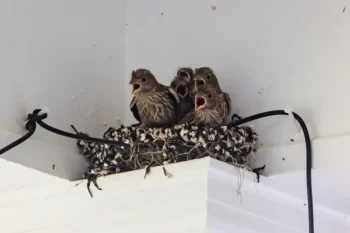
 The Challenges of Birds Nesting in Attics
Many bird species found in Flushing NY are protected by regulations that limit how and when they can be removed from homes and structures. Active nests and certain species may require special handling procedures to remain compliant with wildlife laws.
Homeowners are often better served by working with a bird control specialist who can quickly identify the bird species and recommend the appropriate next steps. Protected species may require specific exclusion techniques, timing considerations, and humane removal practices.
Magic Exterminating uses professional exclusion and removal strategies designed to address bird problems safely and responsibly. With regulations, permitting requirements, and humane practices to consider, professional assistance is often the best solution.
What Should You Do if Birds Get Inside Your Home?
Finding birds or a nest in your home is a problem best handled by a bird exclusion specialist. Along with professional help, there are several actions homeowners can take to reduce risks and support the removal process. Here’s what we recommend:
- Identify the Bird’s Location: Locate the bird and confirm that it is actually inside the home. Once you identify where it is, close off access to other rooms or areas so the bird remains contained, making removal easier for a bird control specialist.
- Provide a Safe Exit Path: If possible, create an easy escape route without attempting to handle or chase the bird. Opening a window or creating a clear, lighted path outdoors may encourage the bird to leave on its own.
- Avoid Contact With Nesting Materials: Do not touch nests, droppings, or nesting debris. These materials can contain harmful bacteria and pathogens, including Histoplasmosis and Salmonella, which may pose health risks.
How Do You Know If You Have Birds in Your Attic?
In many cases, homeowners hear birds before they ever see them. Scratching or movement in the attic around sunrise is a common sign since birds are diurnal and active during daylight hours. Fluttering sounds inside vents or near exhaust openings may also indicate birds nesting nearby.
Although birds tend to be most active in the morning and evening, activity can still occur at different times throughout the day. Nesting birds may create constant movement, chirping, or flapping noises inside attic spaces and wall voids.
Visible signs often include bird droppings, scattered feathers, and nesting debris. Over time, droppings can build up quickly and produce strong odors throughout the attic. Because nesting materials and waste may contain bacteria and disease-causing organisms, it is best not to handle them directly and to limit exposure in affected areas.
In addition to attics, birds may nest in other parts of a house. Common nesting spots include:
- Gable vents
- Broken vent covers (for exhaust fans)
- Soffits
- Stove vents
- Bathroom vents
- Dryer vents
- Exposed gutters
- Light fixtures (by entranceways)
Are There Any Birds You Can Remove on Your Own?
Many bird species are protected under local or federal regulations. It is important to understand these rules before taking any action. However, the following three bird species may be allowed for removal without special permits:
- European starlings
- House sparrows
- Pigeons
European Starlings
European Starlings are widely considered one of the most common nuisance birds in Flushing NY. Large, noisy flocks of dark birds on lawns are often this species. While they are familiar outdoors, they become a serious issue when nesting in attics.
European Starlings can be identified by:
- Dark, glossy black feathers with a metallic green and purple sheen
- 8 to 10 inches long with a 12 to 16 inch wingspan
- Speckled white spots on plumage
- Short tail and pointed wings
- Long, slender yellow beak
House Sparrows
House sparrows are an introduced species that are widespread in Flushing NY and across the United States. Similar to European starlings, they often appear in flocks and feed in yards and landscaped areas. They frequently nest in attics, gutters, and light fixtures. These small birds have recognizable coloring.
You can identify them by looking for the following:
- Males typically have gray crowns with chestnut brown sides and a black “bib” under the beak.
- Females are more uniformly light brown or tan with muted striping.
- 5 ½ to 6 ½ inches long with a 7 ½ to 9 ½ inch wingspan
- Short, thick conical beak
- Brown and gray streaked feathers
- Short tail and rounded wings
Pigeons
Pigeons are one of the most common nuisance birds in Flushing NY. Large flocks will gather on rooftops, sidewalks, and building ledges. While they are a familiar sight in urban areas, they can become a serious problem when they roost or nest on structures such as attics, balconies, and signage.
Pigeons can be identified by:
- Soft gray body with darker wing bars and iridescent green and purple coloring around the neck
- About 11 to 14 inches long with a 20 to 26-inch wingspan
- Plump, rounded body with a small head and short neck
- Short legs and strong feet
- Short, straight beak that is typically dark or gray in color
Note: Even if you are fairly certain it is one of these species, we still recommend contacting a bird control specialist. Bird removal is not a simple DIY task and can create serious sanitation and safety concerns. It also carries risks such as property damage, injury, and incorrect identification.
What are the Dangers of Birds Nesting in Attics?
Bird infestations inside a home can create serious cleanliness issues and a range of health and safety concerns. As birds build nests and remain active in attic spaces, they introduce contamination, damage materials, and increase the risk of secondary pest problems and fire hazards.
- Health Risks from Bird Droppings: Bird droppings can spread bacteria, parasites, and other harmful pathogens, with risks increasing the longer an infestation remains untreated.
- Secondary Pest Problems: Bird Mites: Bird mites often become a secondary infestation after birds leave the nest and can migrate from the attic into living spaces.
- Fire Hazard from Blocked Vents: Nesting materials can clog vents and restrict airflow, creating a serious fire hazard within the home.
Note: Birds also collect a wide variety of nesting materials, both natural and manmade. In doing so, they may damage insulation, shred stored items, and even chew on wiring, which increases fire risk. They often bring in leaves, grass, feathers, string, and other debris that quickly accumulate in attic spaces.
Top Bird Prevention & Removal Tips for Homeowners
Homeowners often ask what they can do on their own to stop birds from nesting in the attic. Prevention is always the best strategy, as it is far simpler than removing birds once they have settled in.
The key to preventing infestations is ensuring that all potential access points are properly sealed. We also recommend these practical steps to help discourage birds from entering your home:
- Attic Entry Point Inspection: Inspect your attic for broken vents, torn screens, small holes, or any other openings that could allow birds inside. Using a flashlight can help you spot gaps where you may even see daylight coming through from outside.
- Exterior Home Check: Walk around the outside of your home and carefully look for gaps or damage near gutter lines, soffits, roof edges, and older or damaged vents. These areas are common entry points for birds trying to get inside.
- Remove Bird Attractants: Avoid using bird feeders or birdbaths around your property. These features not only attract birds but can also draw in other unwanted wildlife looking for food or water.
- Eliminate Bird Seed Sources: Do not place birdseed outdoors, as spilled seed can attract rodents and other pests. Birds are often messy eaters, leaving behind food that collects on the ground and draws additional wildlife activity.
Note: Finding nesting birds with eggs or chicks in your attic means extra care is needed, since disrupting the nest can lead to unintended consequences. As they mature, the young may begin exploring and moving through the home looking for an exit.
What Is the Price of Removing Birds From an Attic?
The cost of Magic Exterminating’s bird exclusion service depends on the specific areas of your home that need to be sealed and the overall scope of work required to fully prevent birds from re-entering. Factors such as entry point location, structural damage, and nesting activity may all influence the final cost.
In more severe cases, where birds have established long-term nesting sites or caused significant damage, pricing may vary accordingly. A thorough inspection is typically needed to determine the most accurate estimate and ensure all problem areas are properly addressed.
Professional Bird Removal by Magic Exterminating
If you have birds nesting in your attic, we’re here to help. At Magic Exterminating, we deliver permanent bird removal solutions for homeowners throughout Flushing NY. We prioritize humane, ethical methods that protect both your home and local wildlife. Instead of poisons or euthanasia, we rely on controlled removal and exclusion strategies.
Once the birds are gone, our exclusion experts will reinforce your home against future infestations by sealing all vulnerable areas. We ensure your property is protected with long-term prevention in mind. Our tactics include:
- Aluminum Flashing Barrier Installation: Aluminum flashing is installed to cover and block common bird entry points, helping prevent access to vulnerable areas of the structure.
- Hardware Cloth Reinforcement: Durable hardware cloth is used to secure openings and prevent birds from re-entering once exclusion work has been completed.
- Expandable Foam Sealing: Expandable foam is applied to fill and seal gaps thoroughly, closing off small openings that birds could use to gain access.
- Bird Spike Deterrent Systems: Bird spikes are installed on ledges and other landing areas to discourage nesting and reduce future bird activity on the property.
Contact Magic Exterminating now to schedule your free, no-obligation estimate and take the first step.


